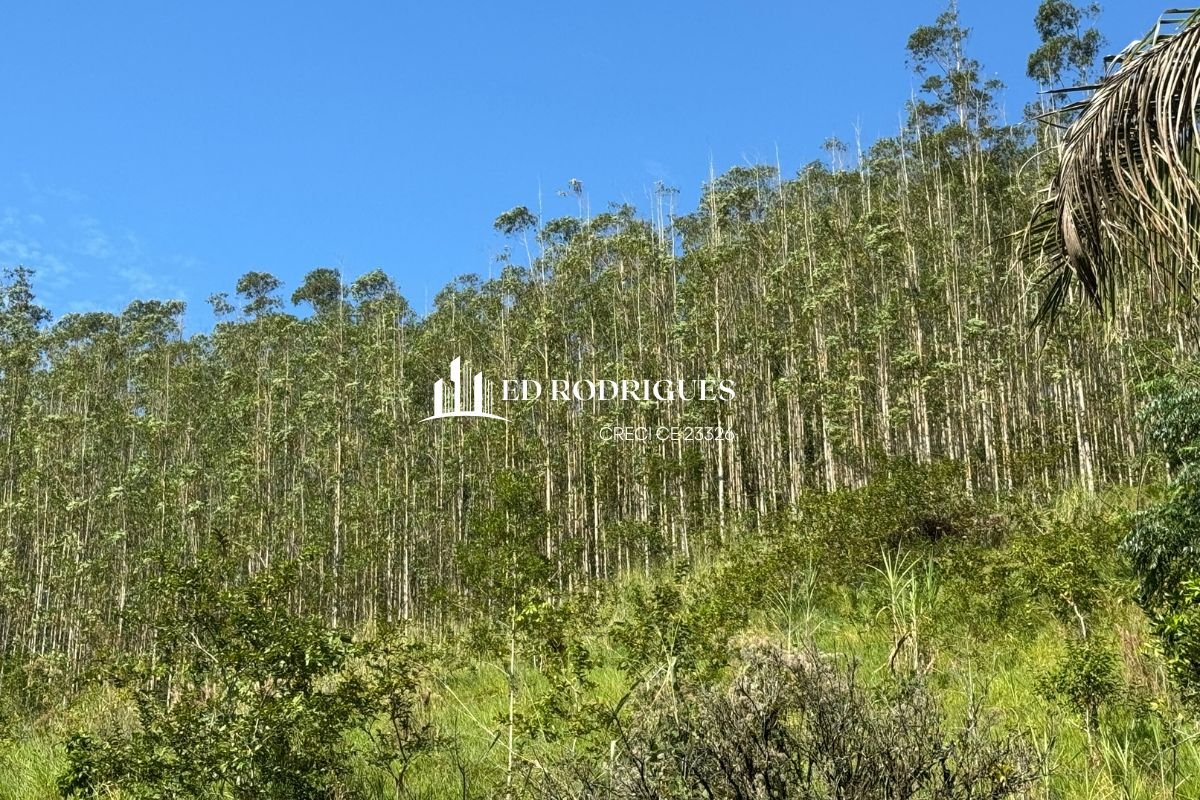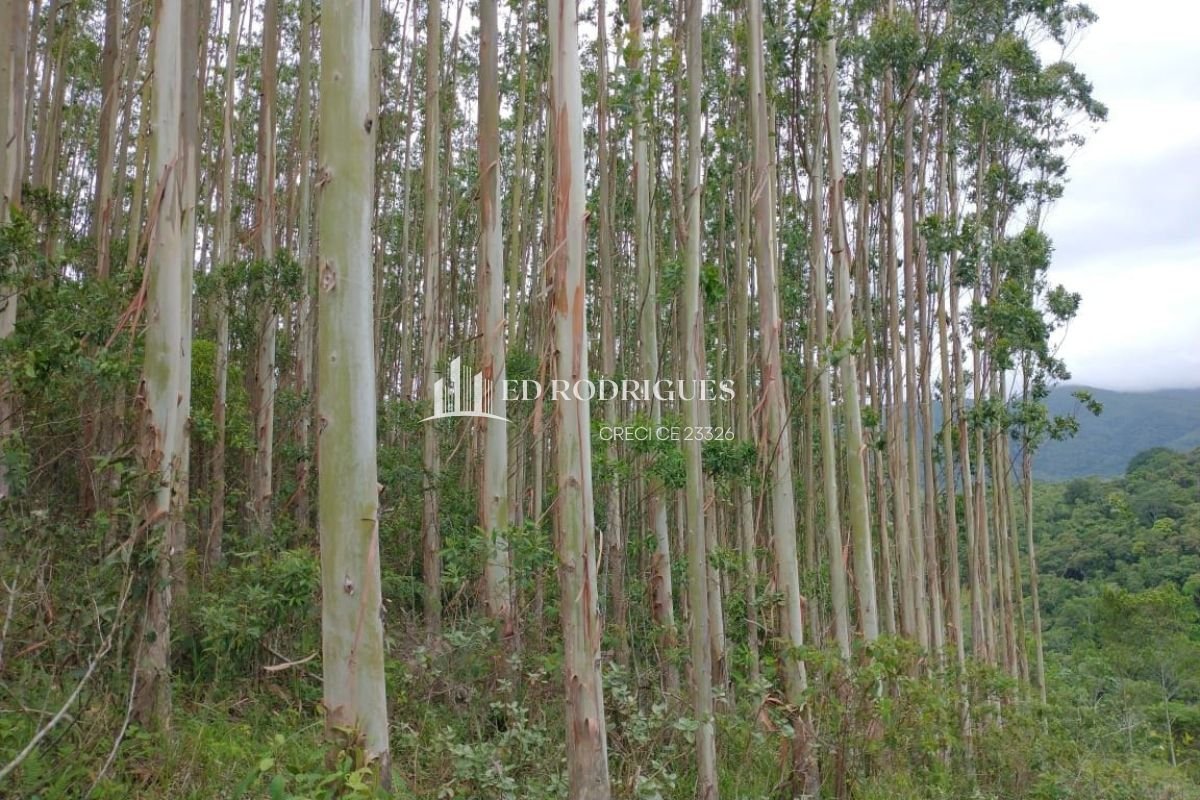
Investing in eucalyptus has become one of the most attractive alternatives for those seeking predictable income, asset appreciation, and capital diversification.
Especially in strategic regions of São Paulo, eucalyptus planting combines high productivity with constant demand, making it an attractive option for both novice investors and those looking to expand operations.
In this guide, you will understand how this investment works, what the possible returns are, and how to identify good opportunities.
Eucalyptus is one of the most efficient forestry crops in the world. Among its main advantages are:
• Rapid growth (6 to 7 year cycle)
• High productivity per hectare
• Versatile use (energy, sawmill, pulp and treatment)
• Capacity for regrowth after cutting
👉 This allows the plantation to become a recurring source of income, with medium and long-term planning.
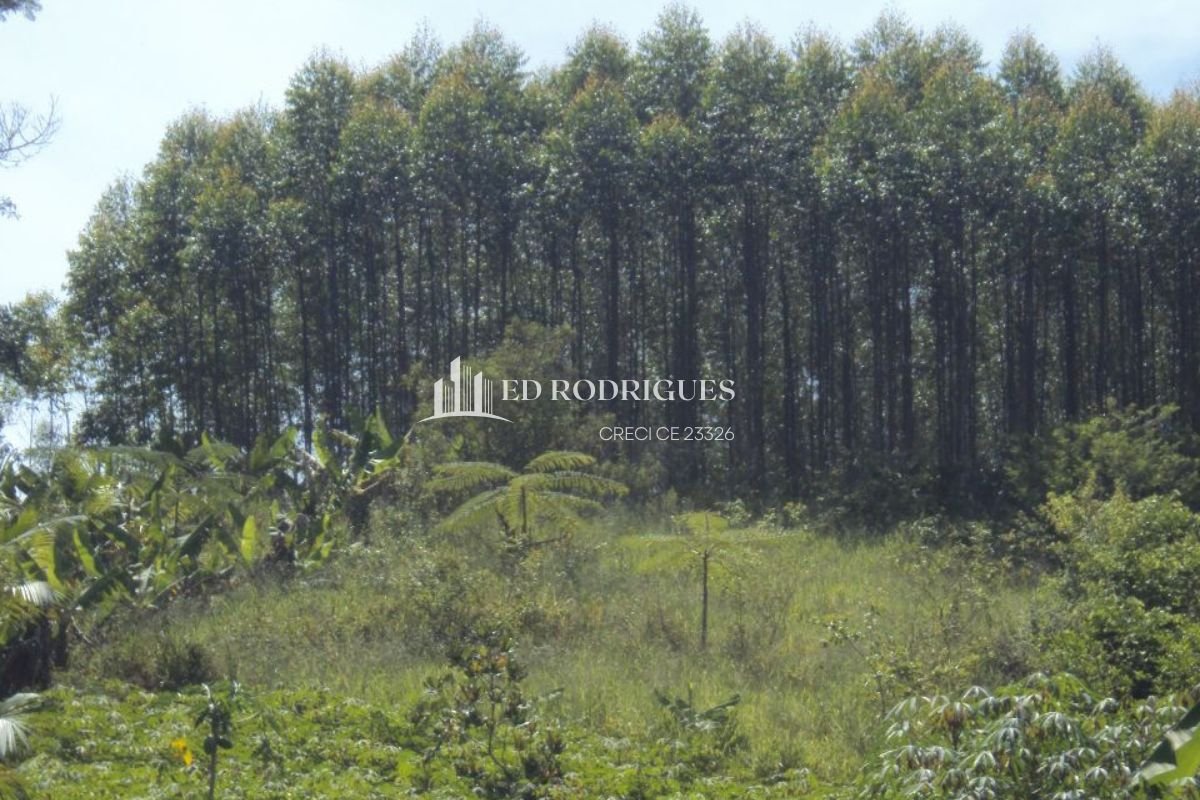
Profitability depends on factors such as:
• soil quality
• management
• location
• logistical access
• purpose of the wood
However, an important point:
👉 When the plantation is already established and close to harvesting, the investor can obtain a return in the short term, significantly reducing the investment risk.
Furthermore, eucalyptus wood has an active market and constant demand, especially in regions close to urban and industrial centers.
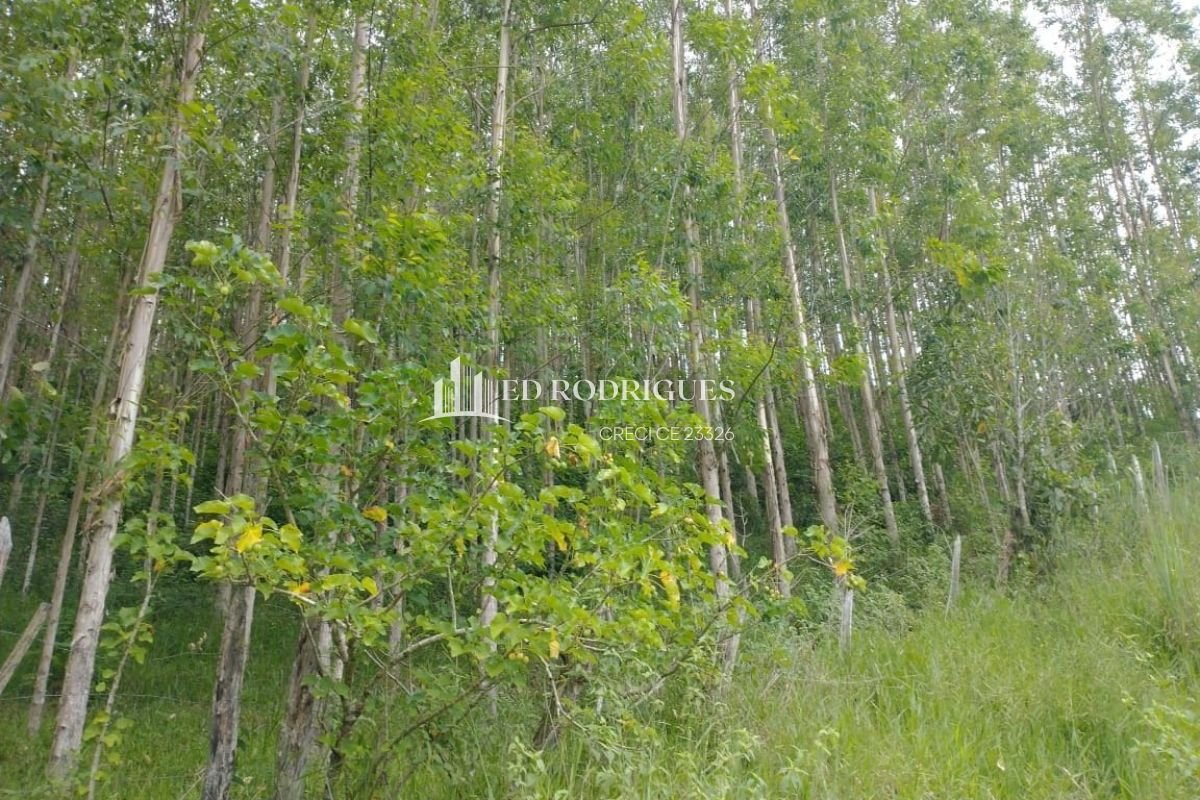
São Paulo offers important strategic advantages:
• Proximity to major consumer centers
• Logistics infrastructure (highways and distribution)
• Consolidated timber market
• High liquidity in productive rural assets
Regions on the southern coast of São Paulo, for example, have stood out for combining:
• good productivity
• easy access
• potential for appreciation
👉 This makes the investment even more attractive.
There are basically three main forms:
1. Planting from scratch
• Greater control
• Requires time and initial investment
• Longer return
2. Purchase of land with young plantings
• Reduces time until harvest
• Still requires management
3. Purchase of ready-to-harvest plantation
👉 The best option for those seeking immediate return
• Already formed timber
• Possibility of short-term revenue
• Lower operational risk
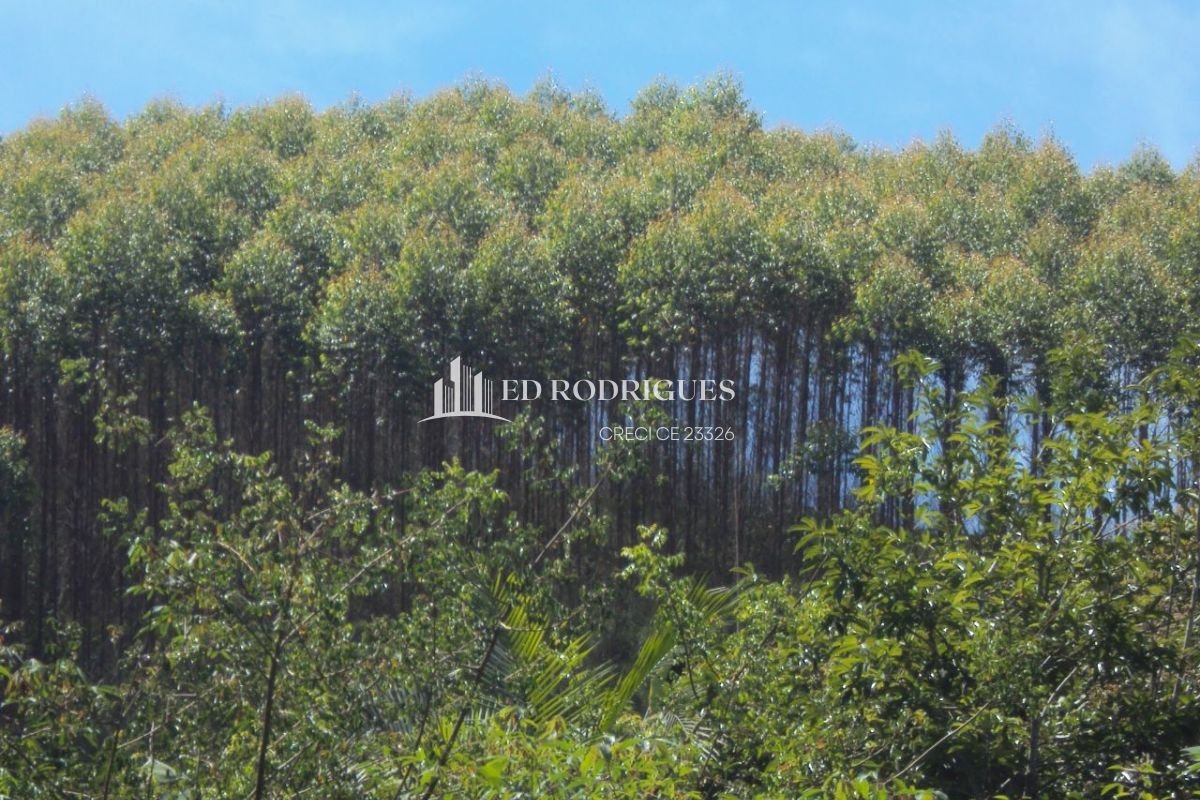
One of the great advantages of eucalyptus is its ability to regrow.
After cutting:
• new trees grow from the same root system
• reduces replanting costs
• keeps production active
👉 This allows for a continuous cycle of revenue generation.
Besides selling the wood, there’s the possibility of adding value to the product.
One of the most profitable ways is treating the wood for use in:
• fences
• rural construction
• exterior structures
👉 This process can significantly increase the final value of the product.
📘 Want to understand how this works in practice?
👉 See also the complete guide:
How to set up a eucalyptus treatment plant with an autoclave
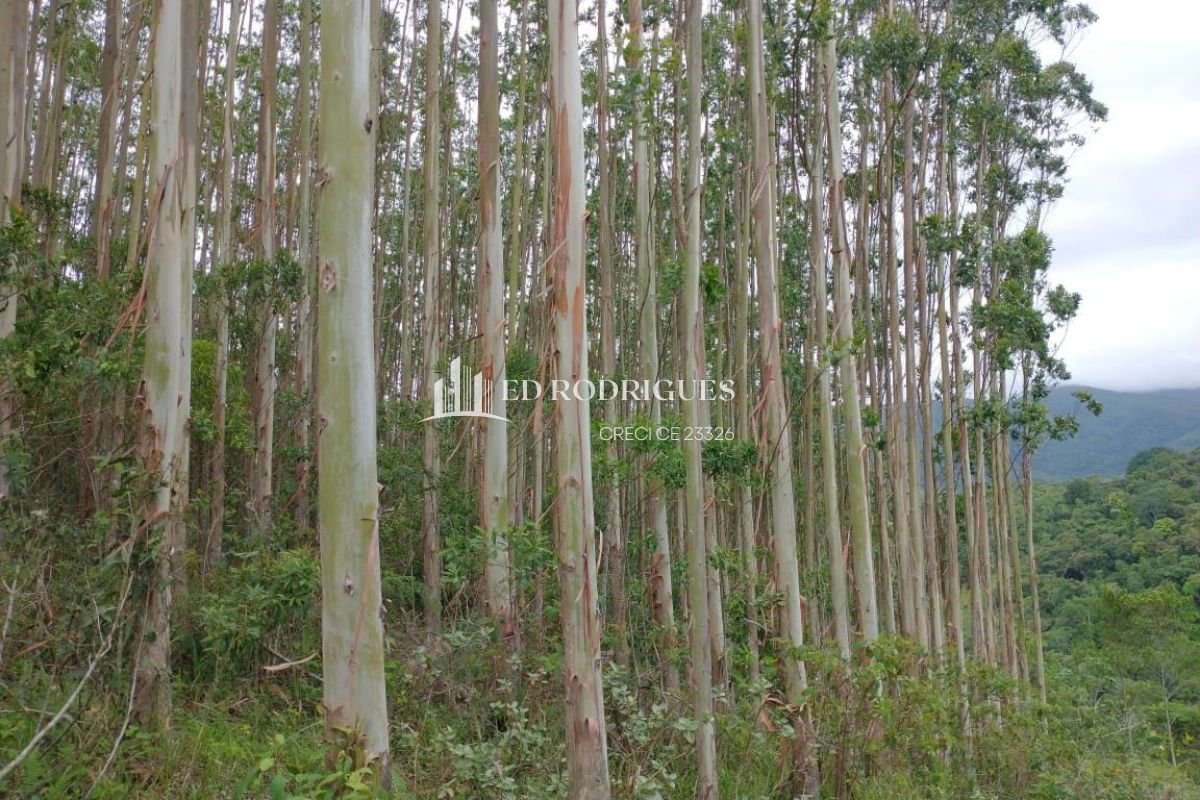
Before acquiring an asset containing eucalyptus, evaluate:
• age of the plantation
• average diameter of the trees
• land topography
• access for machinery
• transport logistics
• water availability
• existing infrastructure
👉 These factors directly impact profitability and costs.
Today, one of the smartest ways to enter this market is to acquire an already structured asset.
There is currently a real investment opportunity:
• Plantation with 12,200 eucalyptus trees
• Trees ready for first harvest
• Potential for immediate return
• Possibility of future exploitation
• Existing infrastructure
In addition, the property allows for:
• Continuity of production
• Expansion of the project
• Even the implementation of on-site processing facilities
If you want to know all the details about this property and assess the potential of this investment:
👉 Talk to me on WhatsApp or call me.
Investing in eucalyptus is not just a rural alternative —
it’s a smart strategy for those seeking:
• diversification
• predictability
• income generation
• asset appreciation
Those who invest only in the wood profit.
Those who understand the process multiply their profits.
But those who invest in the right asset… accelerate the results.